Almost every waterproof phone pouch enquiry we receive ends with the same question: PVC or TPU? Both films are clear, both are joined by welding rather than stitching, and both can carry your logo. The difference shows up in the second season, in cold water, and on the invoice.
What the two films actually are
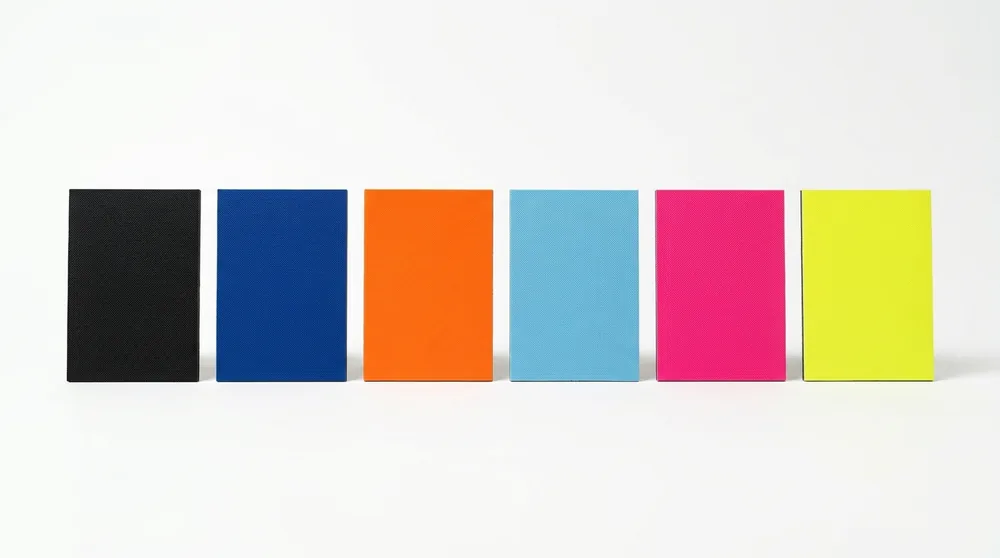
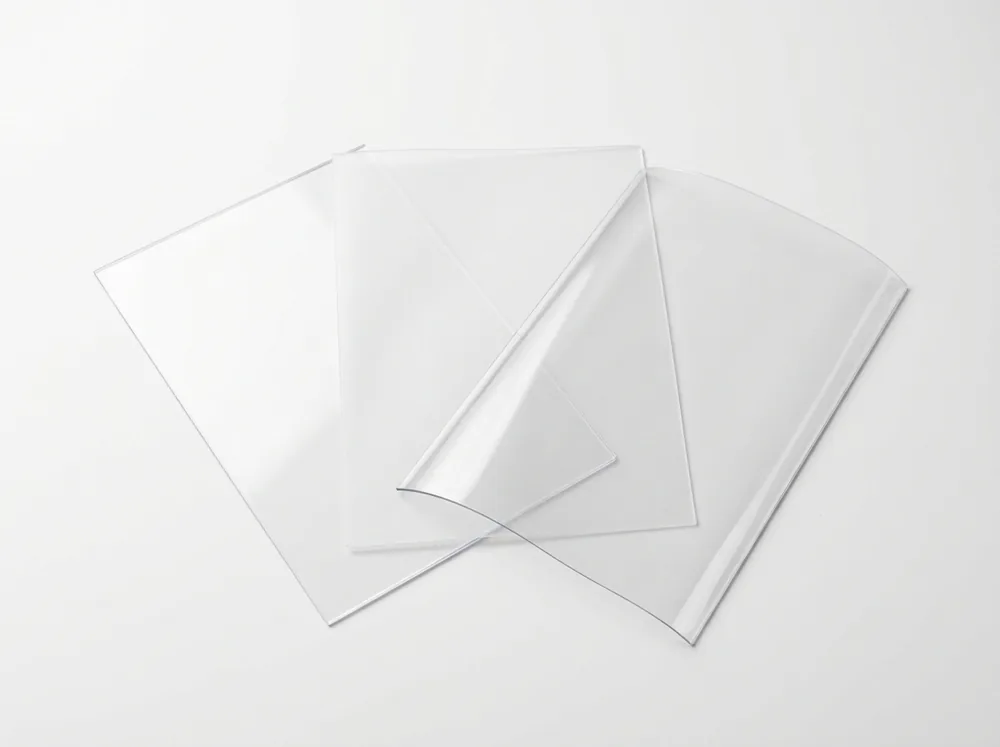
PVC (polyvinyl chloride) film is the traditional material for promotional and resort pouches. It is inexpensive, welds easily, and comes in a wide range of thicknesses and colours. TPU (thermoplastic polyurethane) is the newer option, used where the pouch has to survive chlorine, sunscreen and repeated folding without going cloudy or brittle.
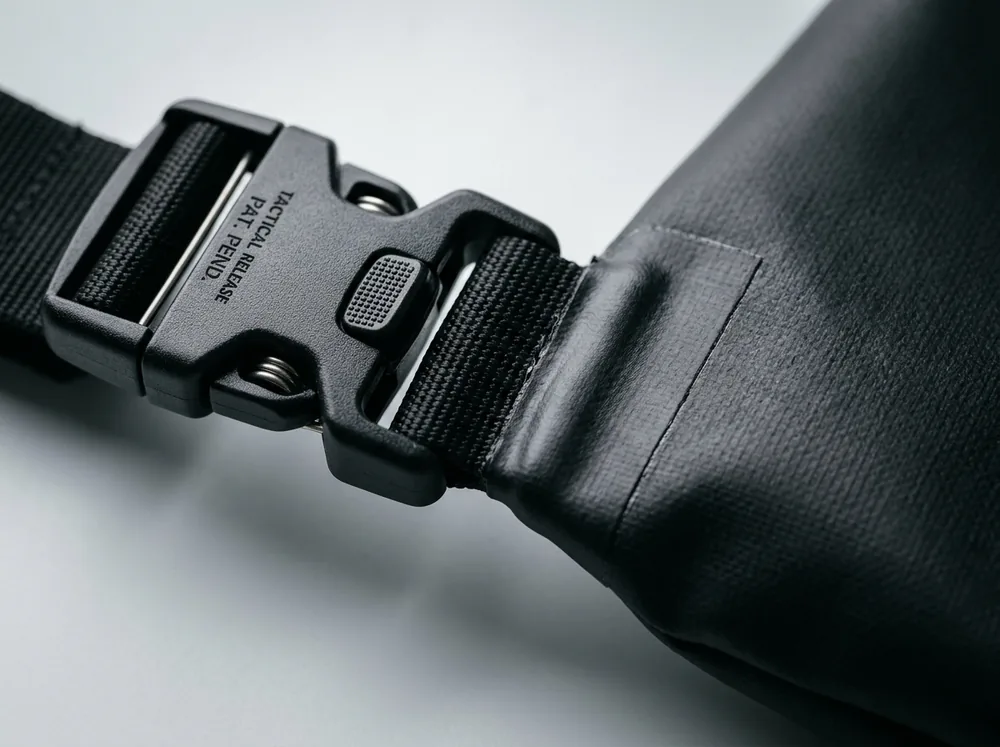
Both are joined on high-frequency welding machines at our Longchuan factory. Neither is glued or stitched on a sealed pouch, because a needle hole is a leak.
Clarity over time
The difference buyers notice first is optical. PVC starts clear and turns hazy as plasticiser migrates out of the film, and heat and sunlight speed that up. TPU holds its clarity for longer, which matters on any pouch where the customer needs to see the screen or use the touch window through the film.
If the pouch is a giveaway used for one holiday, PVC clarity is fine. If it is sold at retail or reused across seasons, TPU is the safer choice.
Cold water, salt water and sunscreen
PVC stiffens as temperature drops. A pouch that feels flexible in a warehouse in June can feel like a sheet of card in a cold lake in November, and repeated folding along the same line is where it eventually cracks. TPU stays flexible well below the temperatures most water sports operate in.
Salt water is hard on both films but harder on PVC over time. Sunscreen and DEET-based insect repellent are the bigger risk for either material: they attack the plasticiser in PVC quickly and can stain TPU. For anything sold into beach or marine channels we recommend a care line printed on the back panel.
Cost and minimum order
TPU film costs more per kilogram than PVC and is slightly less forgiving to weld, so the unit price is higher at every quantity. On a 1,000-piece order the gap is real but rarely decisive; on a 50,000-piece promotional run it usually is.
Both films carry the same 1,000-piece minimum at our factory, because the constraint is the welding die and the print setup rather than the material itself.
Which one to choose
| Channel | Recommendation |
|---|---|
| Promotional and event giveaways | PVC. Lowest unit cost, wide colour range, adequate for one season. |
| Resort, water park and marine retail | TPU. The clear window stays clear, the film stays flexible in cold water, and it handles chlorine better. |
| Retail packaging with a printed card | TPU if the pouch is the product, PVC if the pouch is the packaging. |
| Floating pouches | Either film, welded on the same machine as the body. The air chamber does the floating, not the film. |
How we would decide with you
Send us the sales channel, a target landed price and a reference sample if you have one. We come back with a material recommendation, a print method and a physical sample in 3 to 5 days, so you can put both versions in front of your buyer before committing to production.
The models we produce most often in both films are listed in the waterproof phone pouch range. If you already know you want the buoyant version, start from the TPU floating pouch.