Most quality problems on a bag order are not mysterious. They come from a material that was not the approved one, a seam that was welded at the wrong setting, or a detail that changed between the sample and production. Our checks are built around those three failure points, at four stages.
Stage 1: incoming material and order review
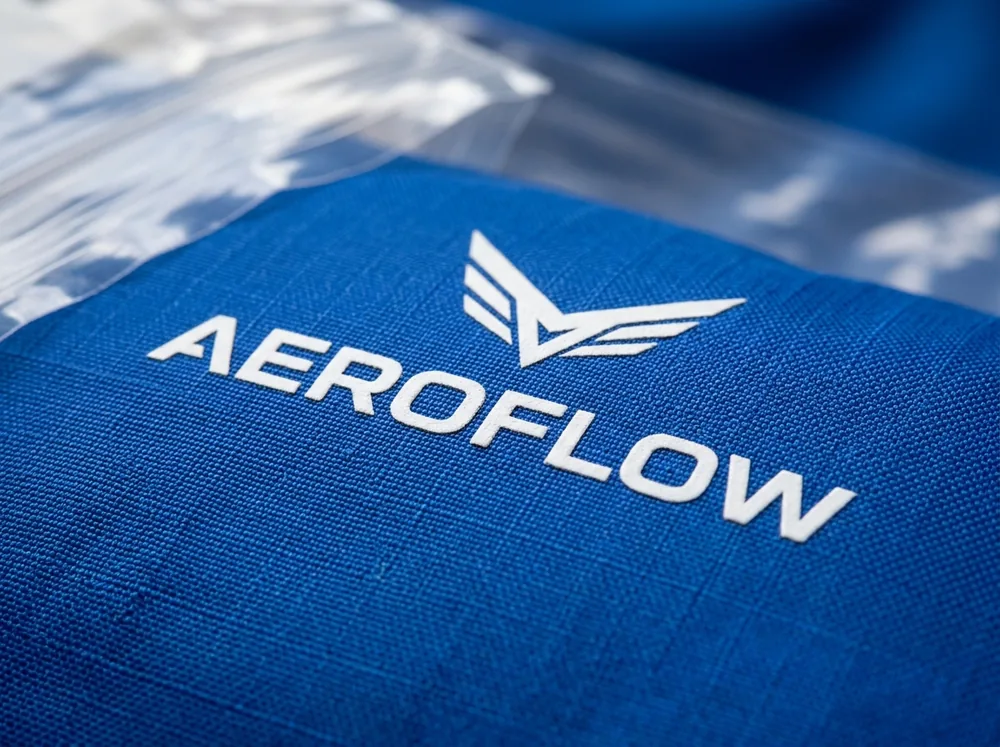
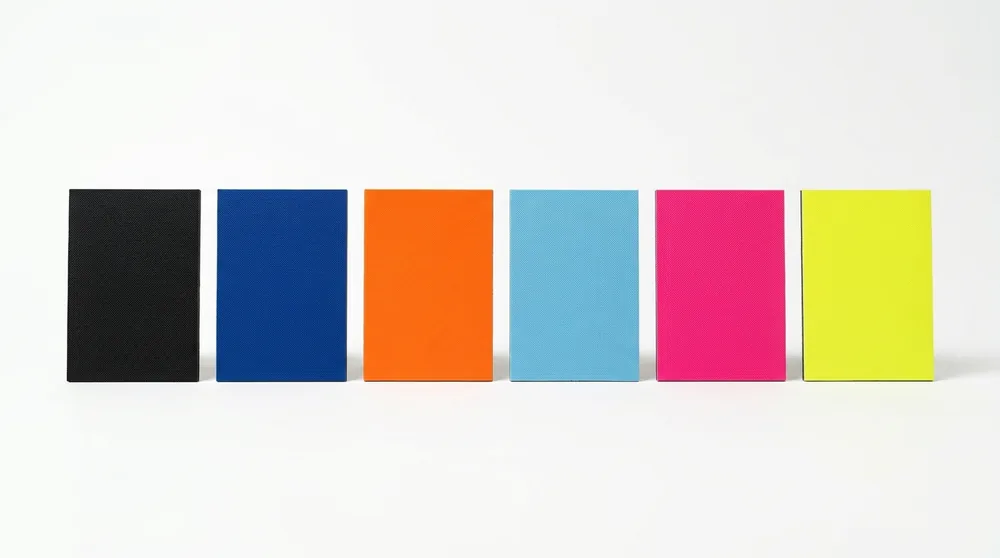
Before production starts, the materials pulled for the order are checked against the approved specification and the approved sample: film type and thickness, colour against the Pantone or the physical swatch, hardware, cord and webbing. The order sheet and the sample are put in front of the line together, so the operator is working from the same reference as the buyer.
If a substitution is needed because a material is out of stock, it is raised before cutting rather than after. A colour that is two shades off is much cheaper to catch here than at packing.
Stage 2: welded seam check
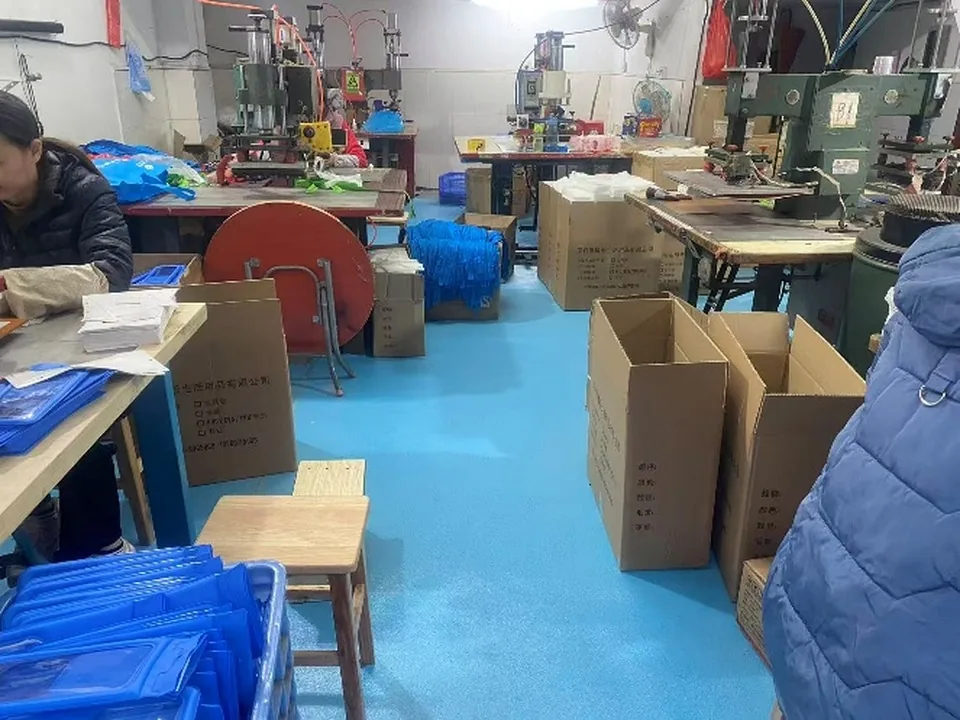
Welded seams are checked during production, not only at the end. The variables that matter are the welding die, the pressure and the dwell time, and they drift with material batch and ambient humidity. Operators check the seam on the first pieces of each run and at intervals through it, looking for incomplete fusion, burn marks, and any seam that pulls apart under a hand test.
On sealed pouches this is the check that decides whether the product works. A pouch with a cosmetic print problem is a second; a pouch with a cold seam is a return.
Stage 3: assembly review
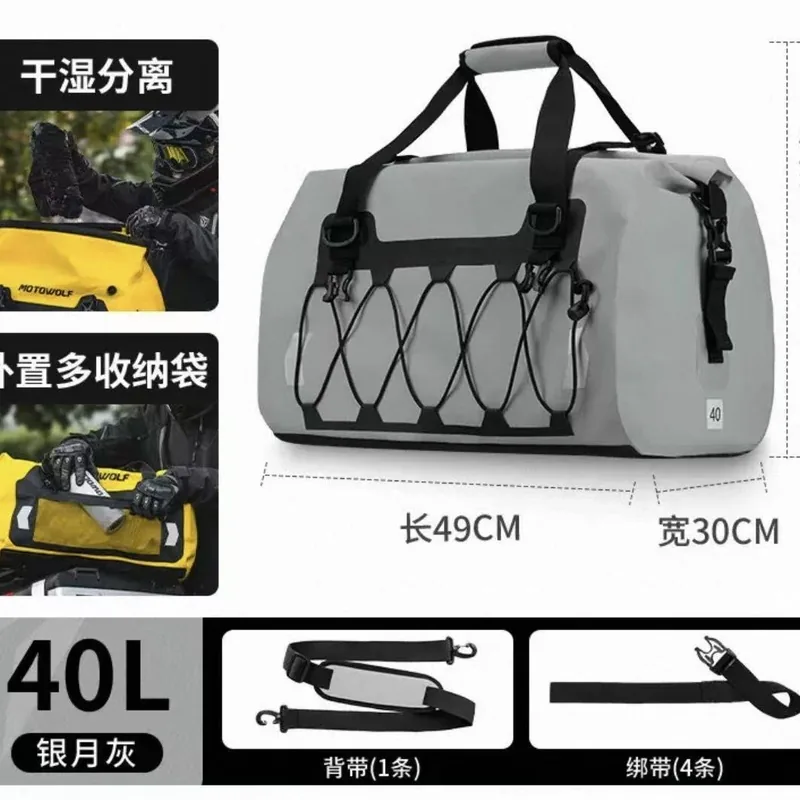
Once the body is closed, the sewn parts are checked against the product details: straps, handles, closures, D-rings, zips, cord ends and hardware colour. This is where a bag gets caught for a strap sewn on the wrong side or a clip in the wrong finish, both of which are easy to miss when the piece is moving fast.
Hardware is also pull-tested by hand at this stage. A clip that opens under normal load is a field failure waiting to happen.
Stage 4: pre-shipment finished product review
Before packing, a sample is drawn from the finished batch and checked as a finished product rather than as components: overall dimensions, print position and registration, colour across the batch, function of the closure, and the packed appearance. Cartons are checked for count, marking and weight before they are sealed.
If your QC team wants to attend this check, or send a third-party inspector, we schedule the review around the visit so the goods are still accessible.
What you should ask for at order stage
- The approved sample reference, in writing, so both sides are checking against the same piece.
- The material and colour specification on the order sheet, including the Pantone reference.
- The point at which you want to be notified if a substitution is needed.
- Whether you want an inspection before packing, and who attends it.
None of this replaces your own inspection. It is the routine that makes an inspection uneventful, which is the outcome everyone wants. If you are still choosing a construction, the dry bag range shows the welded builds these checks are written around.