Two dry bags, same size, same colour, same print. One is quoted at twice the price of the other, and the reason is a number in the specification: 500D. Buyers often read that as a quality grade. It is not. It describes the yarn inside the fabric, and that in turn changes how the bag behaves.
What the D actually measures
Denier is a weight per length for the yarn woven into the base cloth. 500D means a heavier yarn than 300D or 210D, so the woven base is thicker and stronger. The base cloth is then coated or laminated with PVC or another polymer, and it is the coating that makes the bag waterproof.
A 500D bag and a lighter film bag can carry the same coating. What differs is the structure underneath: tear strength, resistance to punctures, how the bag drapes, and how much it weighs.
Mesh-backed tarpaulin
Most 500D tarpaulin is a woven polyester mesh laminated to PVC on both sides. The mesh carries the load, the PVC seals it. That construction is why a tarpaulin bag resists a tear spreading: the woven grid stops the rip instead of letting it run across the panel the way it does in unsupported film.
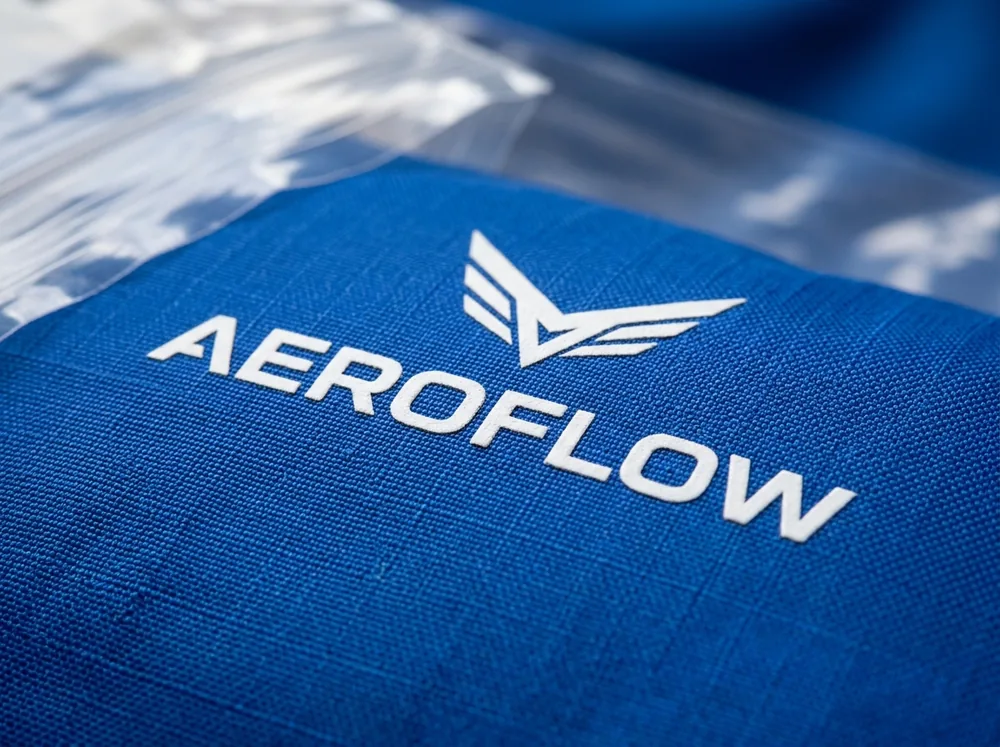
It is also why the material takes print well. A woven base holds ink more evenly than a thin glossy film, so large solid logos come out flat rather than patchy.
Where 500D belongs
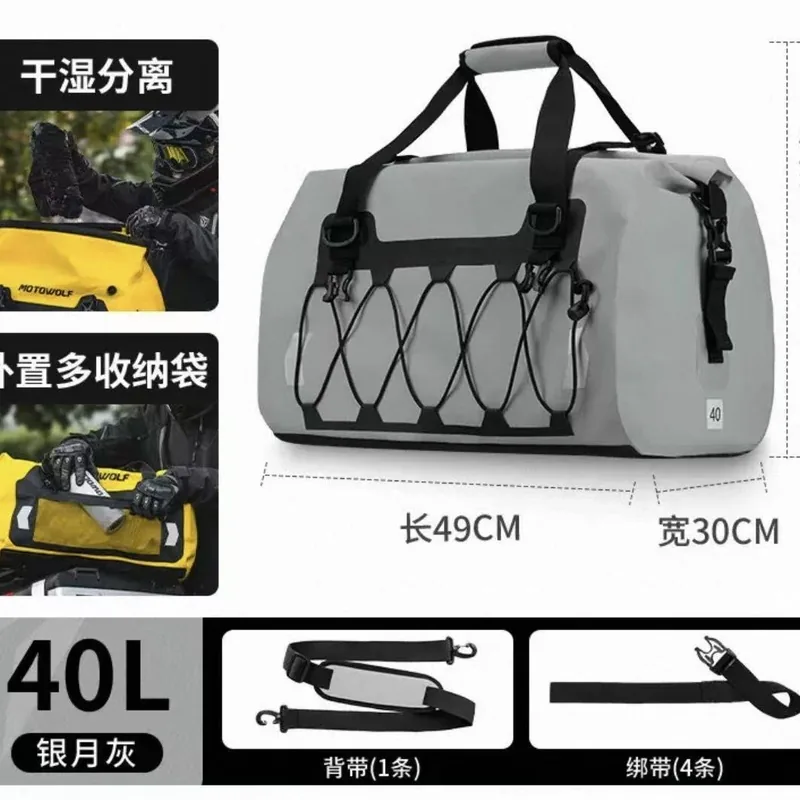
- Duffels and heavy dry bags that are loaded, thrown into a truck and reused season after season.
- Bags with welded and sewn construction, where the fabric has to hold stitching without pulling out.
- Anything with abrasion against rock, deck or concrete.
It does not belong on a phone pouch. A 500D panel is too thick to weld around a touch window and too stiff to fold into a pocket, which is why pouches use unsupported PVC or TPU film instead.
What it costs you elsewhere
Weight is the trade-off. A 500D bag is heavier than the same volume in lighter film, which affects freight, and on a retail shelf it affects how the product feels in the hand. Packing volume is also larger: a 500D bag does not compress flat the way a thin film bag does, so carton counts change.
Unit cost follows the material weight. For a bag sold on durability, that is money well spent. For a promotional bag used once at a trade show, it is not.
How to specify it without overbuying
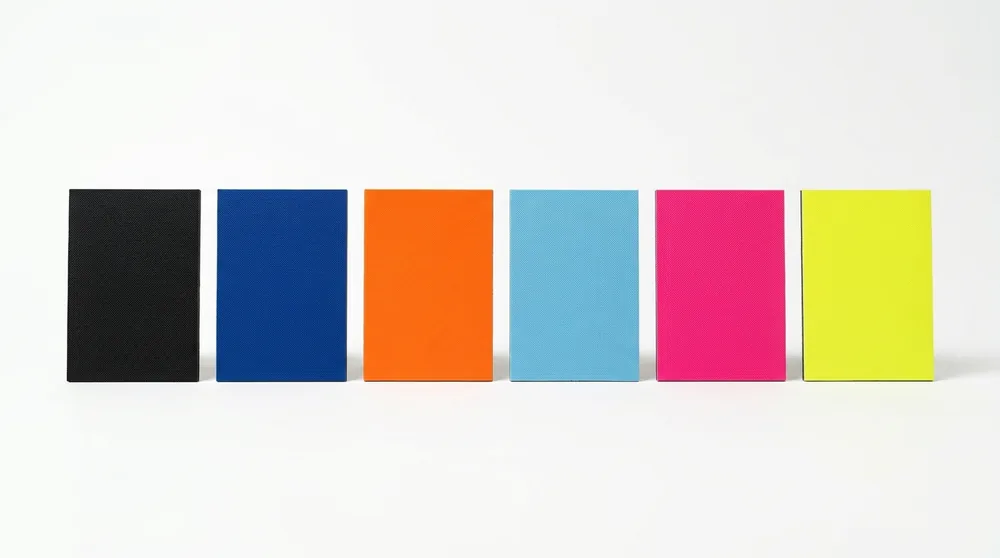
Start from the use, not the denier. A bag that lives in a boat locker and gets dragged over rocks needs the heavier base. A bag that goes in a suitcase needs to pack flat and weigh nothing. Most ranges end up with two constructions rather than one.
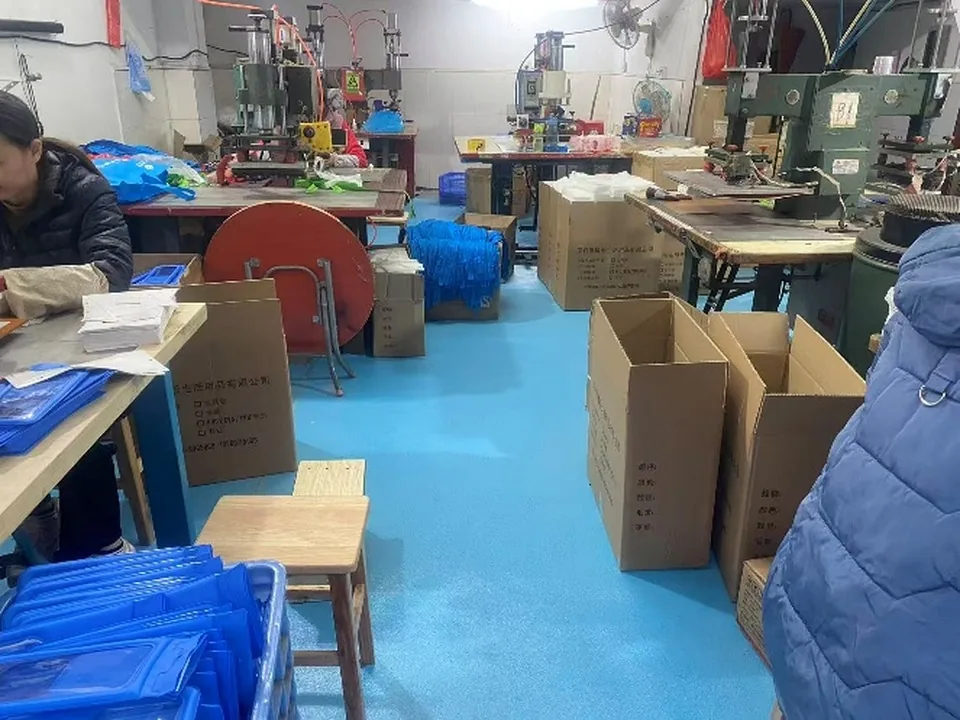
Send us the reference bag and we will confirm the base weight and coating by feel and by cutting a swatch, then quote the closest construction we already run. The 500D duffel is the model we build most in this material.